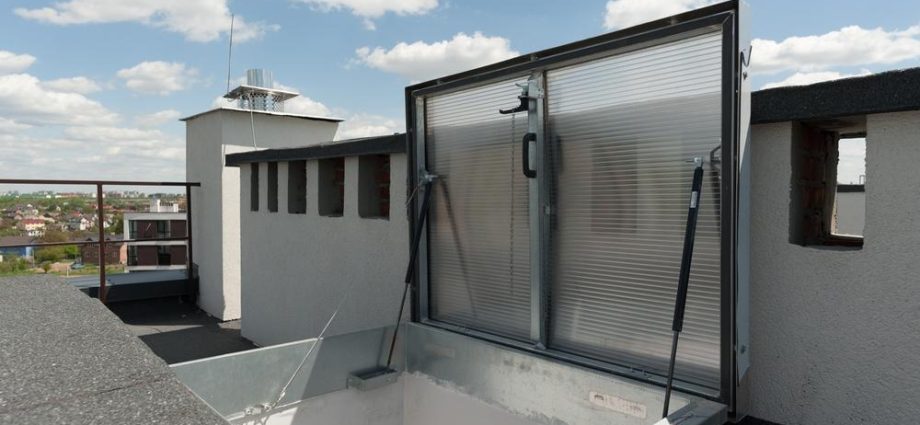
One size rarely fits all when it comes to industrial architecture and heavy equipment. You need a portal that welcomes your largest tools without leaving a giant hole in your energy defense. Finding that perfect middle ground prevents both physical blocks and high utility costs. Accuracy defines the perfect roof hatch for any modern structure.
Decide on the main purpose:
Think about who uses the opening. If a person carries a small tool bag, a standard square model works fine. Larger tasks involving heavy parts or ladders require a wider frame. Always plan for the biggest item that needs to pass top side.
Measure the clear opening:
Focus on the inside dimensions of the hole. Some builders make the mistake of measuring the outer frame instead. The actual space available for a person to climb is what keeps everyone safe. Clear space ensures that bulky winter gear or safety vests do not snag on the edges.
Check the ladder type:
The style of your stairs changes the size you need. A steep vertical ladder requires less room than a ship stair or a full staircase. If your building uses a folding stair, the length of the opening must allow for a natural head clearance so nobody bumps their skull.
Look at safety rail rules:
Safety bars keep workers from falling back into the hole. These rails take up a little bit of room around the perimeter. Pick a size that allows the rails to sit firmly without blocking the path. Good planning keeps your rooftop within safety codes without extra stress.
Think about the lid swing:
The door needs enough room to open all the way. Wind can catch a heavy lid if it does not lock into place correctly. Ensure there are no pipes or wires nearby that might block the cover. A clear path for the lid keeps the hardware working well for years.
Account for insulation thickness:
Modern roofs use thick layers to keep heat inside. This extra depth changes how high the metal curb must sit. Ensure the frame stays tall enough to clear the finished roof surface. Proper height prevents water from leaking inside during a heavy rain storm or when snow melts.